








20 & 40-foot ISO Containerized Fuel Storage Tanks
In many sectors – construction, transportation, agriculture, industry, and even temporary events – fuel supply is a crucial issue. Faced with the need to store and distribute diesel, gasoline, or non-road diesel (GNR) safely and conveniently, containerized storage tanks (often called “containerized tanks”) have become an effective solution.
What is a Containerized Fuel Storage Tank?
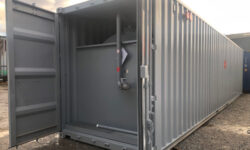
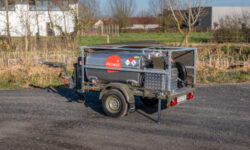
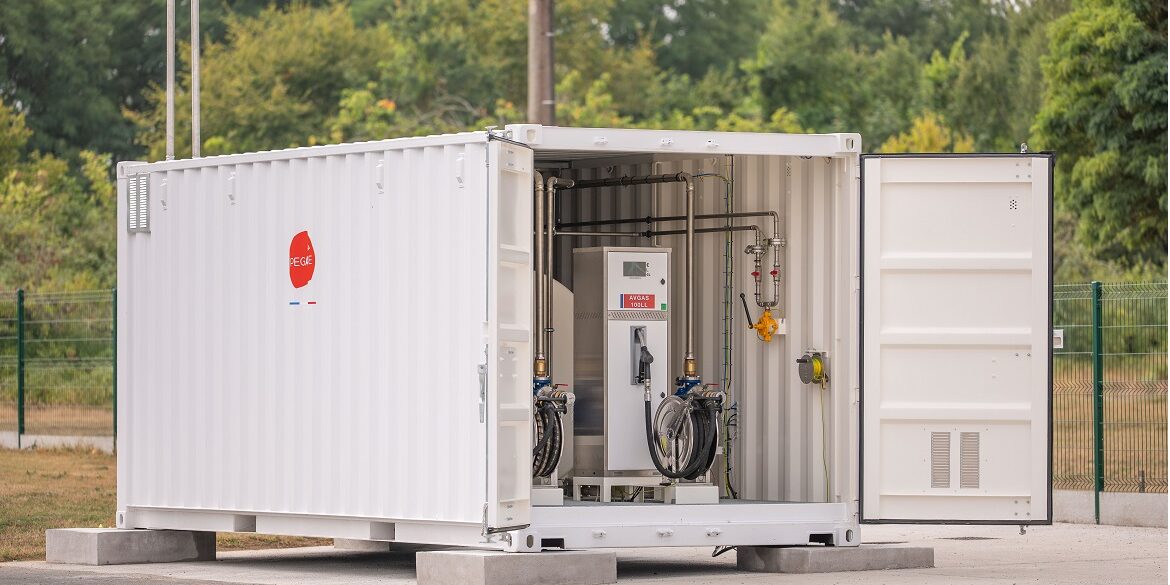
A containerized tank is a fuel reservoir integrated into a shipping container-type structure (20 or 40 feet). This design allows for:
Easy transport by truck, train, or ship.
Quick installation without requiring major civil engineering work.
Enhanced safety, thanks to the container walls and integrated equipment (lockable doors, overfill prevention systems, ventilation).
These tanks are available in various capacities, ranging from 3,000L to 30,000L.
Advantages of ISO Container Fuel Tanks
Mobility and flexibility:
Movable as needed, they are suitable for temporary construction sites or seasonal agricultural operations.
Regulatory compliance:
Container tanks are designed to meet petroleum product storage standards (containment, double walls, leak control).
Increased safety:
Integrated equipment reduces the risks of fire, soil pollution, and theft.
_Integrated Equipment:
They can be equipped with pumps, filters, electronic gauges, multi-vehicle dispensing systems, and even connected solutions for real-time stock monitoring.
Applications of Containerized Tanks
Aeronautics: Aviation fuel for airplanes and helicopters
Agriculture: Storage of non-road diesel for tractors and combine harvesters.
Transport & Logistics: Installation of temporary fuel stations in ISO containers
Industry, quarries & mines: Fuel supply to remote sites.
Events & Military: Containerized fuel stations for the military, temporary sites, and forward operating bases.
Construction sites: Diesel and AdBlue fuel supply for construction equipment.
Fuels typically stored in containers:
Road diesel and biodiesel: for fleets of trucks, buses, or vans.
Non-road diesel (GNR): for agricultural, forestry, and construction equipment.
Gas (SP95, SP98, E10): storage possible but subject to stricter safety regulations (higher flammability). high).
Kerosene / Jet A1: used in aviation and certain industrial applications.
Heating Oil: for heating or generators.
Regulatory and Environmental Aspects of Containerized Fuel Tanks
In France, as in Europe, fuel storage is strictly regulated by regulations (ICPE, ADR, EN 12285-2 standards, etc.). Containerized tanks generally meet the following requirements:
_Leak detector, double wall or containment basin to prevent leaks.
_Ventilation and fire safety systems.
_Accessibility for inspection and maintenance.
Furthermore, these solutions limit environmental impact by reducing the risk of accidental soil and groundwater pollution.
Containerized fuel storage tanks represent a modern, flexible, and secure solution for all stakeholders requiring a reliable fuel supply. Their mobility, regulatory compliance, and modularity make them a relevant choice in the face of current logistical, safety, and environmental constraints.