









Connected fuel pump: take back control of your fuel
On a worksite, on a farm or within a depot, fuel is one of the heaviest cost items… and one of the hardest to keep under control. Who filled up? For which vehicle? How many litres, and how often? Without a suitable fuel management tool, these questions often go unanswered — and the discrepancies add up.
At PEGASE, our conviction can be summed up in one sentence: taking back control of your fuel means taking back control of your operations. And that is precisely what a connected fuel pump makes possible.
Why is fuel management a strategic issue?
Poorly monitored fuel means a twofold loss: financial and operational. Without fuel consumption monitoring, it is impossible to spot abnormal overconsumption, an unjustified withdrawal or a fuel-hungry vehicle. Fuel control therefore begins with how you store it, how you dispense it… and above all how you measure it.
We support businesses with complementary solutions tailored to every working environment.
Fixed tanks: fuel autonomy at the depot
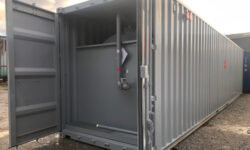
Ideal for depots, works bases and farms, fixed fuel tanks provide a stable, secure refuelling point directly on site. Their strengths:
- secure fuel storage, as close as possible to your teams;
- optimised fuel purchasing, free from forecourt price fluctuations;
- permanent availability, with no downtime for your teams;
- fewer trips to the station, and therefore greater autonomy.
Refuelling trailers: fuel that comes to you
Designed for mobile environments and worksites, refuelling trailers bring the fuel to wherever it is needed. Machines are refuelled on the spot, with no downtime, and work carries on even in remote areas.
The fuel comes to the machines and plant, not the other way round.
The connected fuel pump: the real revolution
Storing and dispensing fuel is one thing. Knowing exactly what becomes of it is another — and that is where it really matters.
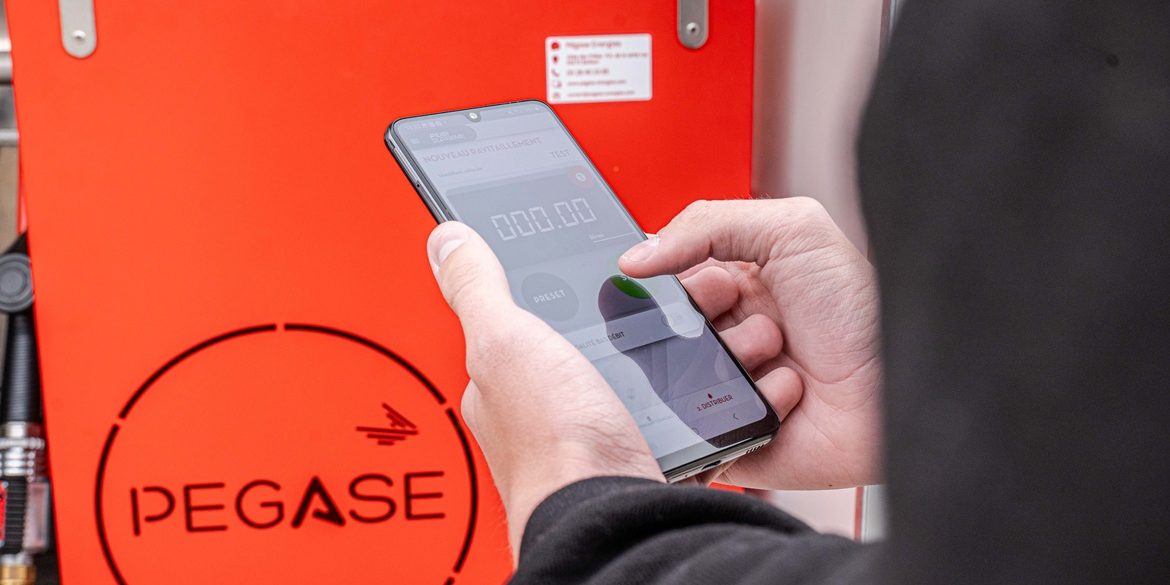
That is the role of the connected fuel pump and its user management system. With every dispense, the pump knows who is drawing fuel, how much and for which vehicle. No more estimates: every litre is identified, recorded and usable.
What connected user management makes possible
- User identification — every fill-up is linked to an operator, via badge or code;
- Fuel consumption monitoring by vehicle or by driver, to spot discrepancies immediately;
- Complete fuel traceability, from the first to the last litre dispensed;
- Usable operational data, ready to feed your reporting and your decisions.
This level of visibility changes everything: detecting anomalies, combating fuel fraud, streamlining consumption, making internal invoicing more reliable and, ultimately, achieving a lasting reduction in your fuel bill.
From storage to data: a complete, controlled chain
Fixed tanks, refuelling trailers, connected pumps: these solutions are not mutually exclusive, they complement one another. Together, they cover the entire fuel cycle, from secure storage through to detailed analysis of every withdrawal.
Taking back control of your fuel is not one more constraint. It is the guarantee of operating with complete autonomy, with full transparency, and one step ahead of your costs.
Frequently asked questions about the connected fuel pump
How does a connected fuel pump work?
It identifies each user (via badge, code or key) before dispensing the fuel, then automatically records the volume dispensed, the operator and the vehicle concerned. The data can then be reviewed for monitoring and reporting.
What are the benefits of a fuel management system?
Better traceability, the detection of overconsumption and fraud, optimised purchasing and more reliable internal invoicing — in other words, a concrete reduction in fuel costs.
Is the connected pump suitable for remote worksites?
Yes. Paired with a fixed tank or a refuelling trailer, it brings connected monitoring directly to the field, including in remote areas.
Want to find out how much you could save by managing your fuel at source? Contact PEGASE and let’s talk about your project.